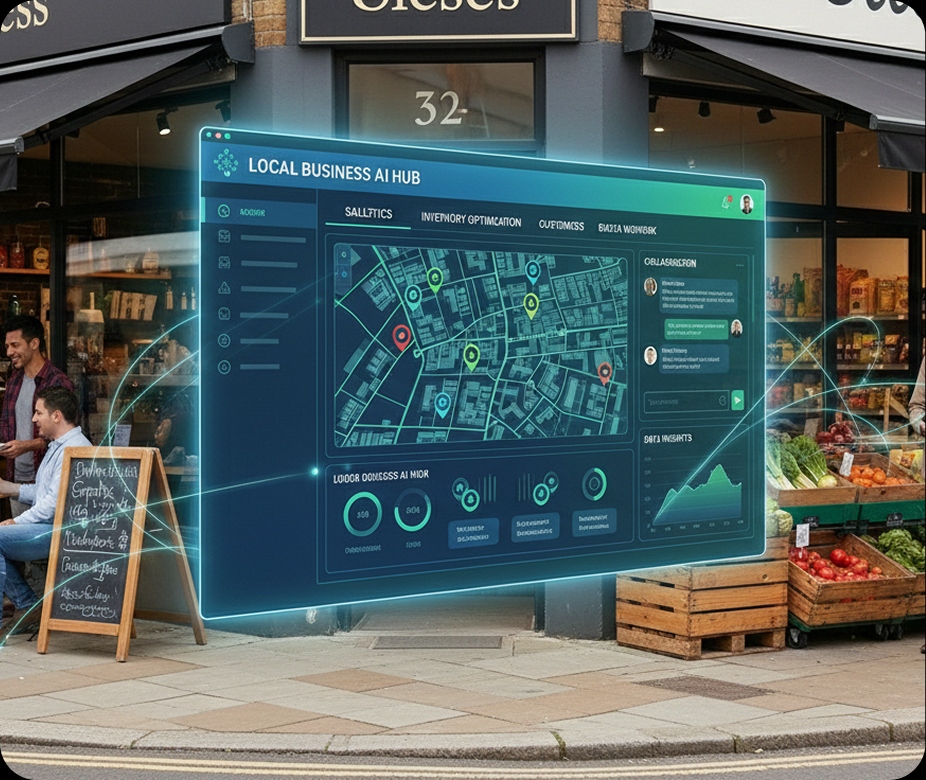
Estate Commerce enables trusted businesses to operate inside residential estates already running on Acilect. Residents gain convenient access, managers retain oversight, and businesses serve within a structured, secure environment.
Commerce becomes an extension of governance, not a source of chaos
Unlike open marketplaces, Local Commerce operates within governed estates.
It operates only within estates already managed on Acilect, where:
That foundation is what makes estate commerce scalable, and accountable.
Vendors operate only when invited and approved by your team and typically within your estate's governance framework.
*Verification methods and rule enforcement are configurable by management.
Administrators can:
Local Commerce works in service of management, not around it.
*Acilect provides tools; final safety responsibility rests with management.
Vendors gain:
Reduce fragmented messages.
Minimise manual payment tracking.
Growth that respects estate order.
*Access subject to approval. Demand varies by community.
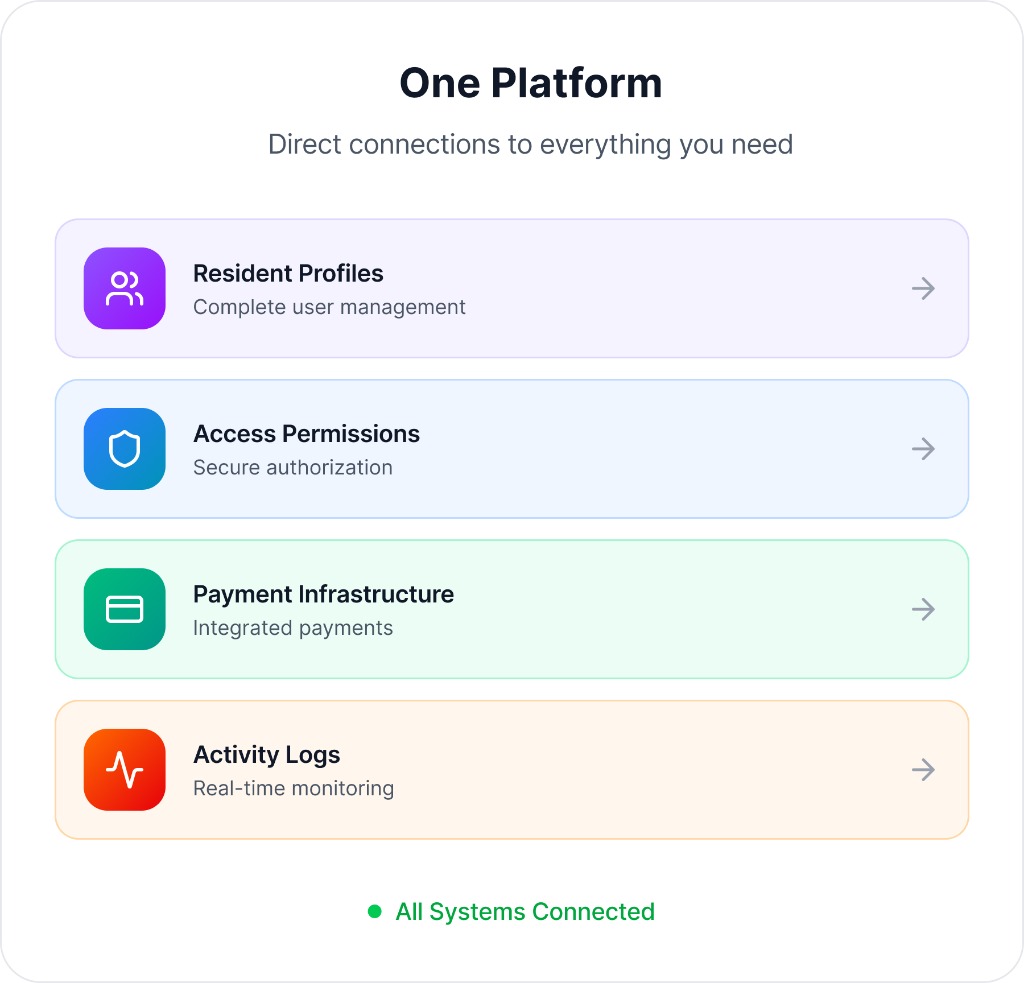
Local Commerce integrates directly with:
Orders link to authenticated households.
Vendor access aligns with estate rules.
Payments are traceable and secure
Everything runs on the same trusted platform.
Acilect first helps estates:
Local Commerce then strengthens the ecosystem by:
This is how connected residential economies are built.
Local services work best inside structured environments.
Enable commerce without losing control.